
LASIK Recovery Time: What to Expect & How to Heal Smoothly
LASIK recovery is often faster than people expect, with vision improving within 24 hours. A timeline of what to expect, from the first hours to full stabilization.

LASIK and SMILE are both laser vision correction procedures that can correct refractive errors reducing your dependence on glasses or contact lenses. They are both safe and effective procedures, but there are some key differences between them.
LASIK stands for laser-assisted in situ keratomileusis. In LASIK, a thin flap is created in the cornea, the clear front surface of the eye. A laser is then used to reshape the underlying corneal tissue, correcting refractive errors like nearsightedness, farsightedness, and astigmatism. The flap is then repositioned, and the eye heals naturally.
SMILE stands for small incision lenticule extraction. In SMILE, a small lenticule is removed from the cornea using a femtosecond laser. The lenticule is a disc of tissue that is removed from the cornea to reshape it.
The best way to decide which procedure is right for you is to talk to your eye doctor. They can assess your individual needs and help you choose the best option for you.
At TLC Vision, we are committed to providing our patients with the best possible care. That’s why we take a conservative approach to new technology. We want to make sure that any new laser technology we offer is safe and effective, and that it provides our patients with the best possible outcomes.
While SMILE is a less invasive procedure than LASIK, it’s relatively new, and long-term data on its safety and effectiveness is limited. As such, we have opted to continue offering LASIK at this time, as it has a longer track record of success.
If you are interested in learning more about SMILE, we encourage you to talk to your eye doctor. They can help you understand the risks and benefits of this new procedure and determine if it is right for you.
LASIK recovery is often faster than people expect, with vision improving within 24 hours. A timeline of what to expect, from the first hours to full stabilization.

LASIK boasts a 96-98% patient satisfaction rate, with most achieving 20/20 vision or better. The advanced technology and techniques behind its high success rates.
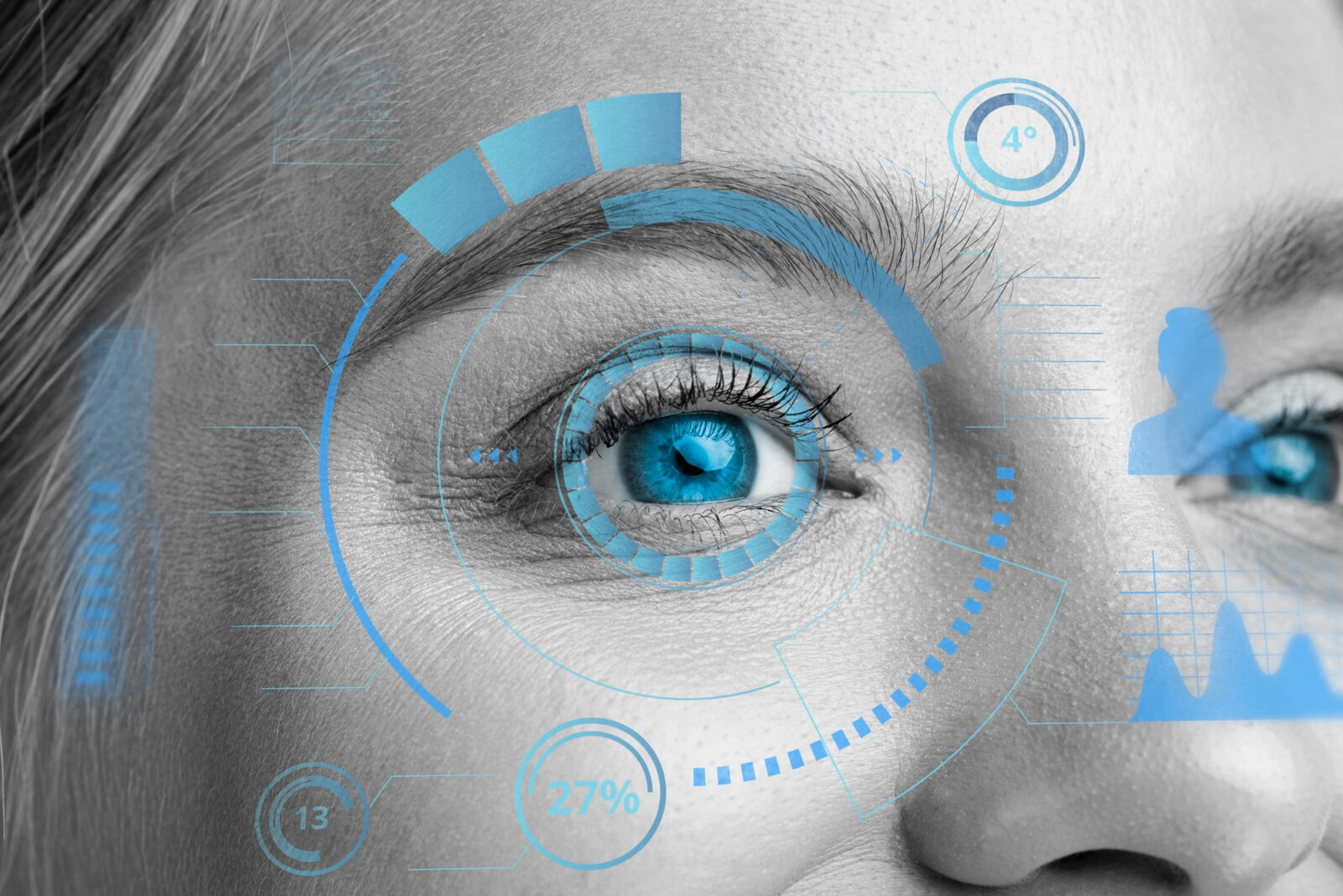
Artificial intelligence is reshaping LASIK at TLC Laser Eye Centers, from smarter patient screening to treatment tailored to each eye for safer, more precise outcomes.

Now is the time. Find out if LASIK is right for you.