
Latest News
Winter Dry Eyes and Contact Lenses: A Surgeon’s Perspective
Cold weather and dry indoor air can worsen dry eye and contact lens discomfort. A surgeon's perspective on winter dryness and why many patients start considering LASIK.

Entering your 40s often brings noticeable changes in vision, prompting many to seek out solutions like LASIK. This age marks the onset of presbyopia, where close-up vision weakens due to the lens’s reduced flexibility. However, LASIK remains a powerful option for those in their 40s, offering clear vision and freedom from glasses or contacts. In this guide, we explore how LASIK can meet the unique vision needs of those in this age group, the benefits, and the alternative options available for optimal vision correction.
LASIK, or Laser-Assisted In Situ Keratomileusis, is a highly effective procedure used to correct refractive errors, including myopia (nearsightedness), hyperopia (farsightedness), and astigmatism. By precisely reshaping the cornea, LASIK enables light to focus correctly on the retina, resulting in sharper, clearer vision.
For individuals in their 40s, LASIK offers several advantages:
Contrary to the misconception that LASIK is primarily for younger patients, this procedure is increasingly popular among those in their 40s. However, there are specific considerations and requirements to ensure the best possible results.
To determine candidacy, LASIK surgeons look for the following:
Ideally, candidates should have a prescription that hasn’t changed significantly over the past year.
Absence of conditions like cataracts, glaucoma, or significant dry eye is essential for successful LASIK outcomes.
As presbyopia typically begins around age 43, candidates should be aware that LASIK primarily addresses distance vision. Additional strategies may be necessary to manage near vision needs.
Presbyopia is a natural, age-related condition where the eye’s lens becomes less flexible, making it harder to focus on close objects. This shift in near vision often leads people in their 40s to rely on reading glasses for tasks such as reading, using a smartphone, or working on a computer. While presbyopia is not corrected by traditional LASIK, some patients benefit from specialized approaches like Monovision LASIK.
Monovision LASIK is a technique where one eye is corrected for distance vision and the other for near vision. This approach allows individuals to reduce dependency on reading glasses while maintaining distance vision clarity. However, not all patients adapt well to monovision, so thorough discussions with a LASIK surgeon are essential to assess suitability for this option.
Absolutely not. Many patients in their 40s are ideal LASIK candidates. As long as you meet the basic criteria—stable vision, healthy eyes, and realistic expectations regarding presbyopia—LASIK can significantly enhance vision clarity and reduce the need for corrective lenses.


While LASIK effectively addresses distance vision, it may not eliminate the need for reading glasses due to presbyopia. However, options like Monovision LASIK or RLE can help minimize or eliminate the need for reading glasses in certain cases. Discussing these options with your LASIK surgeon will provide a tailored approach to meet your vision needs.
LASIK offers more than just clearer vision; it can positively impact various aspects of life:
LASIK remains a viable option for those in their 40s seeking vision correction. With advanced technologies, individualized treatment options like Monovision LASIK, and alternative solutions such as RLE, achieving clear, consistent vision is more accessible than ever. If you’re ready to explore your options, scheduling a consultation with an experienced LASIK provider can help you determine the most suitable approach to meet your unique vision goals.
In your 40s, vision correction decisions often revolve around balancing distance clarity with the emerging need for near vision support. LASIK offers a proven pathway to improved vision, reduced dependence on corrective lenses, and greater freedom in daily life. By consulting with a trusted LASIK surgeon, you can explore a tailored solution that aligns with your lifestyle and visual aspirations.
Cold weather and dry indoor air can worsen dry eye and contact lens discomfort. A surgeon's perspective on winter dryness and why many patients start considering LASIK.

Worried about sneezing during LASIK? Advanced eye-tracking pauses the laser at the slightest movement, and an experienced surgical team keeps the procedure safe.
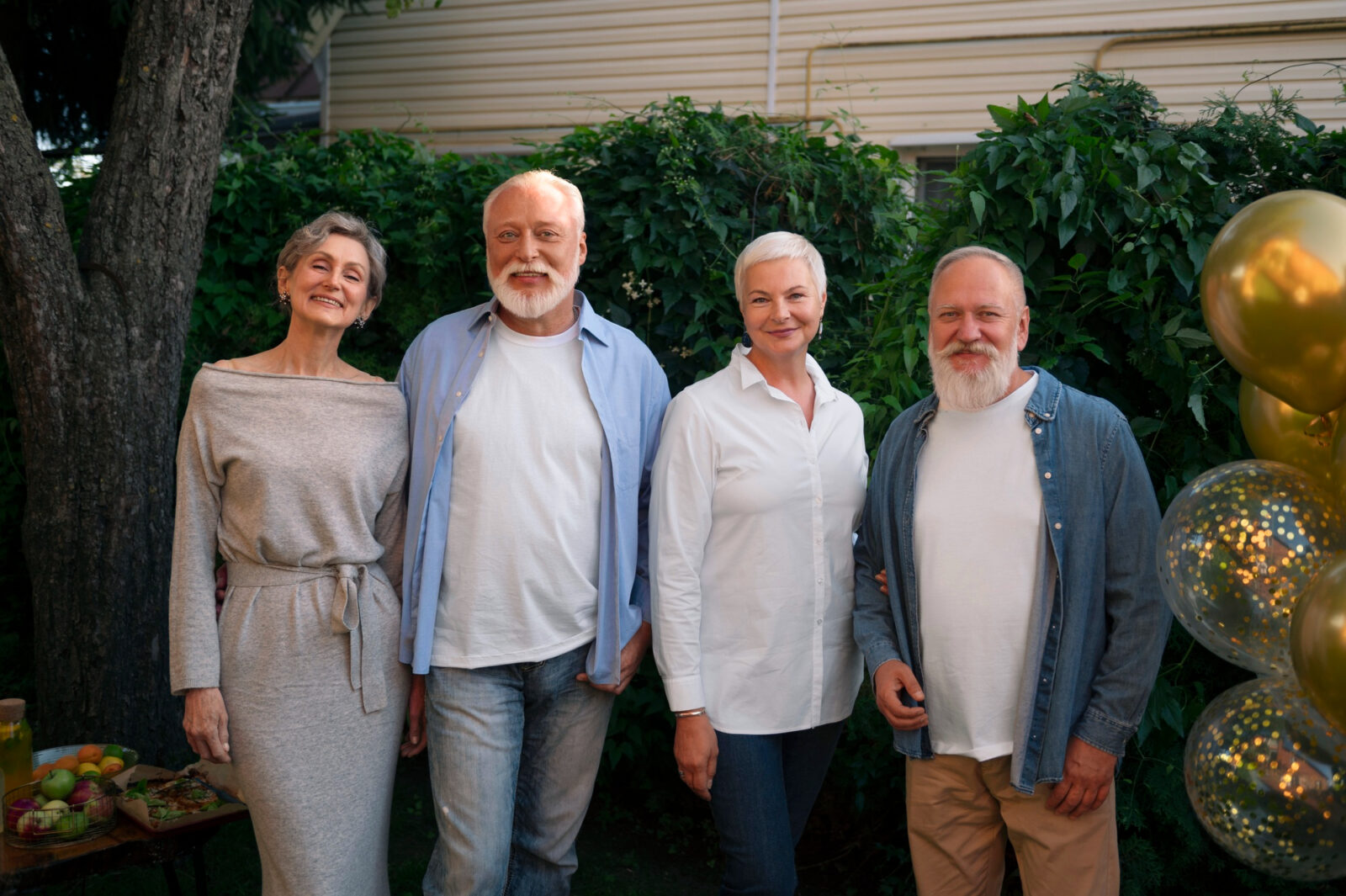
Vision changes grow more complex in your 60s, but age alone doesn't rule out LASIK. The important factors, corneal health, eye conditions, and dryness, to consider.

Now is the time. Find out if LASIK is right for you.